
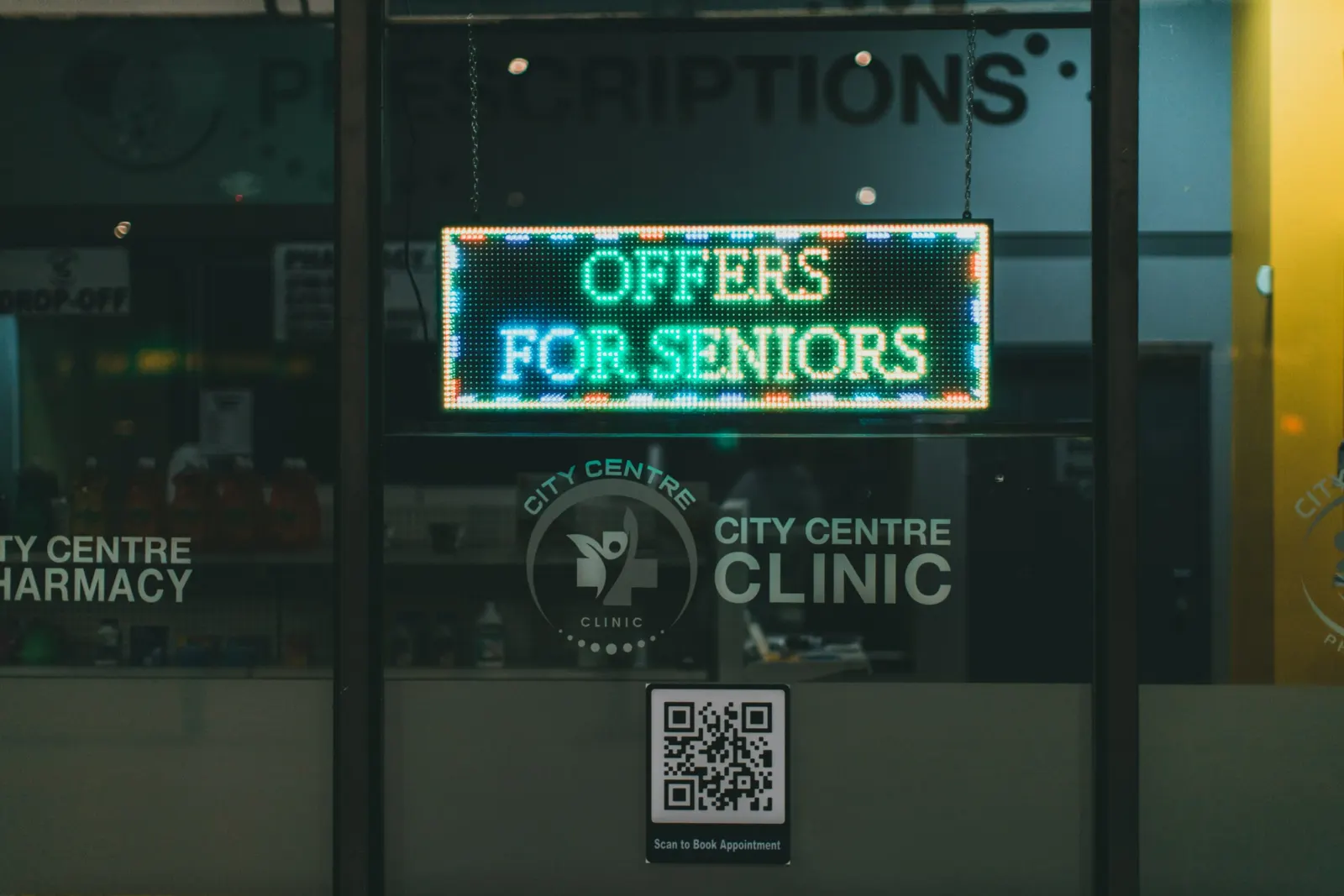
Hospitals and clinics use QR codes to give patients and staff quick access to information on their phones: booking an appointment, finding a ward, paying a bill, reading about a medicine or opening an equipment manual. A printed code on a poster, a door sign or a leaflet replaces a phone call, a search or a question at the front desk.
Below are practical places to use QR codes in a hospital, split by who scans them, and what to keep in mind when you set them up.
Why hospitals use QR codes
Patients spend a lot of time waiting, searching for rooms and calling to ask simple questions. A QR code can answer many of those questions directly: scan and see the directory of doctors, save a doctor's contact card, book an appointment or find the right building.
Staff benefit too. A code on a device can open its manual or a repair video, and a code on a shelf or label can open the right internal page in a few seconds.
Where to use QR codes in hospitals and clinics
For patients
- Book an appointment. The code can open an online booking page, start an email, a WhatsApp chat or a call to the reception desk.
- Learn about a doctor. A code next to a doctor's name can open their profile page, a short video introduction or a vCard with their contact details, so patients know who they will see.
- Contact the practice from home. On appointment letters or cards, a code can open a contact form, an email address or a phone number for follow-up questions.

Inside the hospital
- Find your way. Large hospitals have many corridors, wards and clinics, and first-time visitors get lost. Codes at entrances, lifts and stairwells can open a floor plan or a map with directions to a specific department.
- Pay your bill. A code on the invoice or at the cashier can open the hospital's online payment page, so patients can pay from their phone instead of queuing.
- Read about your condition. Codes in waiting areas can link to patient information on topics such as diabetes, lung disease or care during and after pregnancy.
Outside the hospital
- Public health information. During the COVID-19 pandemic, many health authorities put QR codes on posters and leaflets that linked to official guidance. The same approach works for vaccination campaigns or seasonal health advice.
- Information about medicines. A code on a leaflet or package insert can open details about a medicine, including its ingredients. That matters for patients with allergies or dietary restrictions, for example vegetarians or people whose religion prohibits certain animal products.
For hospital staff and healthcare providers
- Promote your services. A code on flyers or in local ads can open a virtual tour of your facility or a page about your departments.
- Open patient records faster. Some hospitals print codes on wristbands or charts that open the patient's record in the internal system. This needs a secure system with login and access control; never put personal health data into a public QR code or on a public web page.
- Share health updates. Link press releases, newsletters or patient leaflets to a code and post it in waiting rooms.
- Fix equipment. A code on a device, such as an ultrasound machine, can open the manufacturer's manual or a maintenance video for the technician.
How QR codes affect patient satisfaction
Patients judge a hospital partly on how quickly simple tasks get done, alongside the quality of service they receive. If they can book, pay and find their way without waiting for help, staff have more time for the work that needs them.
Creating a QR code for healthcare
You can create a QR code at qr-cloud.com. QR Cloud offers 17 QR code types, including URL, vCard, phone, email and location, and you can change the colours and add your logo. For signs and leaflets that stay up for months, use dynamic QR codes: the destination can be changed after printing, so a new booking system or an updated leaflet doesn't mean reprinting every sign. QR Cloud is hosted in Germany and keeps scan statistics anonymised.
Before printing, test each code with two or three phones in the place where it will hang.
Summary
QR codes work best in hospitals for routine tasks: booking, wayfinding, payments, patient information and equipment manuals. Keep anything involving personal health data inside secure internal systems, and use dynamic codes for printed signs so you can update the destination without a reprint.


