
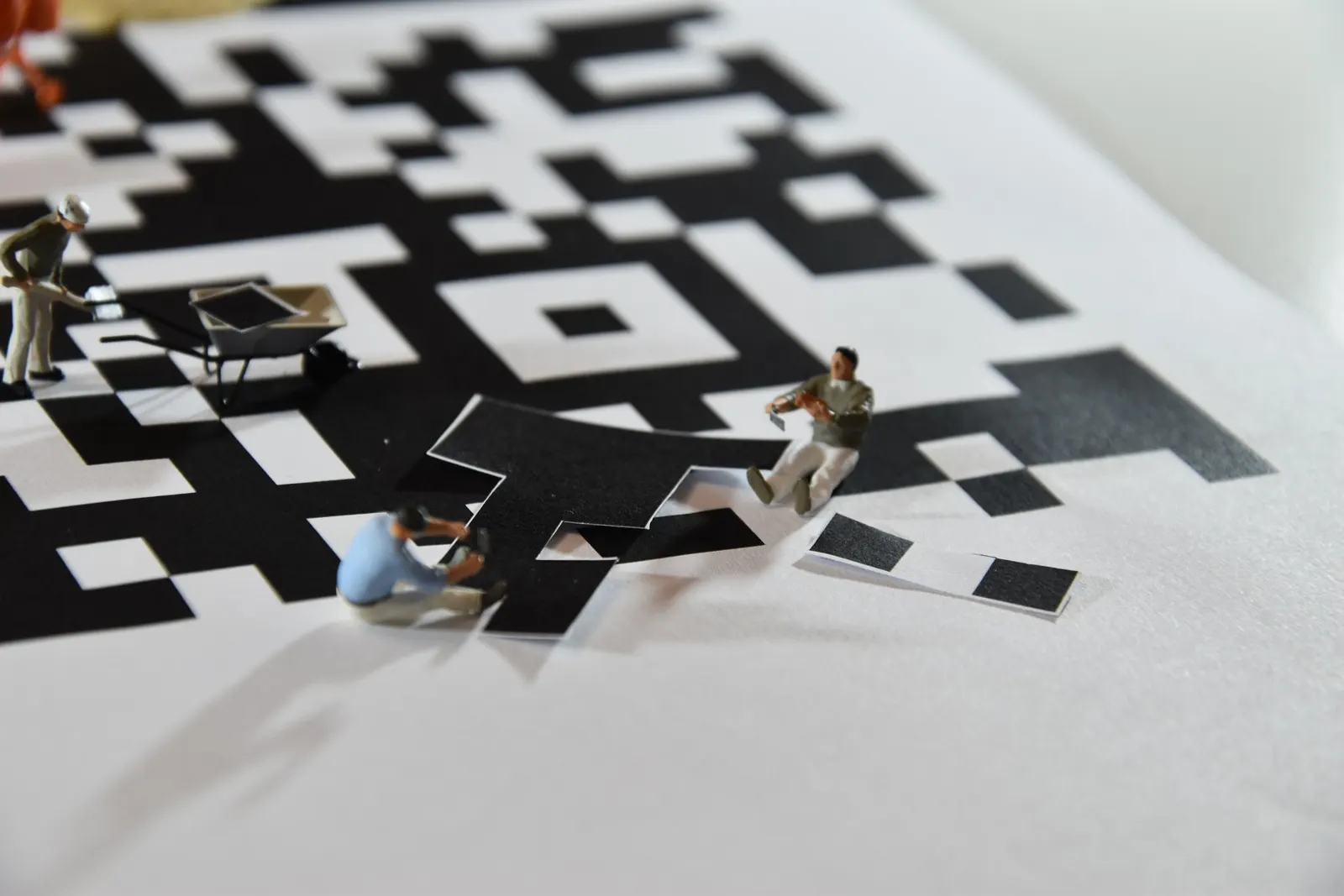
QR codes appear on restaurant menus and museum labels, on parcels and at payment terminals, yet many people still hold beliefs about them that are out of date or simply wrong. Some customers avoid scanning because of these myths, and some businesses skip QR codes for the same reason. Here are the most common QR code myths and what is actually true.
Myth #1: QR Codes are only used for advertising
Advertisers use QR codes a lot, usually to send people to a website or a promotion. But the codes are just as useful elsewhere: manufacturers track inventory with them, hospitals and companies use them for patient or staff records, and teachers link to extra material or build interactive lessons and games. A dynamic QR code can also point to a file, such as a PDF or an image.
Myth #2: QR Codes are difficult to use
Scanning takes a few seconds. Open your phone's camera (or a free scanner app on older phones), point it at the code and tap the link that appears. Nobody has to type a URL, which is faster and avoids typos.
Myth #3: QR Codes are dead
QR codes were slow to catch on in Western countries, even though they were already common in East Asia. That changed during the Covid-19 pandemic, when businesses needed contactless menus, check-ins and payments. Many have kept using them since.
The technology has also improved. Most current smartphones scan QR codes with the built-in camera, no separate app needed. Codes can be designed with brand colours, different shapes and a logo in the middle, so they fit the look of a menu or a package.
Myth #4: QR Codes are only used by tech-savvy millennials and Gen Zs
Younger people may be quicker to try new technology, but QR codes are used across age groups and backgrounds: students and teachers, healthcare staff and executives, as well as anyone who has ever scanned a menu at a café.
Myth #5: QR Codes are not secure
A QR code is only as trustworthy as the link inside it. Scammers do place fake codes, for example stickers on parking meters, so scanning carries the same risks as clicking an unknown link. Used by a legitimate business that points to its own website, a QR code is as safe as that website. As a business, check that your codes lead where they should and that nobody has stuck a different code over them. Our article on QR Code scams explains what to look out for.
Myth #6: QR Codes are only for mobile devices
Most people scan with a phone, but tablets and laptops with a camera can read QR codes as well, and there are free scanner tools for desktop computers.
QR codes are also not limited to screens. You can print them on business cards, billboards, coffee cups, posters or documents.
Myth #7: QR Codes are only used in Asia
QR codes were invented in Japan in 1994 and were used in East Asia for years before the rest of the world caught up. Today they are common in Europe and North America too, helped by built-in camera scanning and the demand for contactless services during the pandemic. In the United States, for example, they appear in marketing across many industries.
Myth #8: QR Codes are only used for links
URLs are the most common content, but a QR code can hold much more. It can store plain text, share files such as PDFs or images, act as a digital business card or log a phone straight into a Wi-Fi network.
Myth #9: QR Codes are only for large businesses
A QR code costs a corner shop the same as a corporation: static codes are free to create. Small businesses put them on menus and receipts, use them to take payments or collect reviews, and individuals use them at home or in a small office. You don't need a marketing department to get value from one.
Myth #10: QR Codes are unreliable
Badly made or damaged codes do fail. But QR codes include error correction, so a code can still be read when part of it is scratched or covered. A static code that links to a web page works as long as that page exists. A dynamic code works as long as the provider keeps its short link active and the destination is online. Test every code before printing and you avoid most problems.
Myth #11: QR Codes are a passing trend
QR codes had been in wide use in Asia for many years before the pandemic made them common elsewhere. With phones scanning them natively and payment and ticketing systems built around them, there is no sign of them disappearing.
Myth #12: QR Codes are difficult to create
You need a phone or computer and a QR code generator, nothing else. Enter the link or information, adjust the design if you like and download the code. No coding is involved. Before printing, scan it once with your own phone to make sure it opens the right destination.
Myth #13: QR Codes are not user-friendly
Some people, especially those less comfortable with technology, are unsure what to do with a QR code. If you know your audience includes them, add a short instruction such as "Scan with your phone camera" or a small icon of a phone scanning a code. You can also print the short URL next to the code so people can type it in instead.
Myth #14: QR Codes are only used for marketing
Marketing is one use among many. Offices and libraries use QR codes for asset management, schools and companies use them to track attendance, museums add background information to exhibits, and people share contact details at networking events.
Myth #15: QR Codes are only used for mobile payments
Payments, including sending money or crypto assets, are one of the main uses today, but far from the only one. The same kind of code opens web pages, connects phones to Wi-Fi, starts a chat in a messaging app and shares files.


